Categories
Important Links
- Meian Technology
- Hengbo security technology
- HST fire alarm system manufacturer
- Home Security and Smart Home
- Dropshipping
- Security service alarm video server
- How to Choose an Infrared Beam Detector
- New equipment for outdoor security
- How to debug infrared beam alarm
- Infrared Beam VS. Microwave Beam Detection
- UV flame detector
- Wireless Community Alarm System
How to Choose an Infrared Beam Detector
Infrared beam detectors, as key equipment in perimeter security systems, are widely used in residential communities, industrial parks, schools, commercial buildings, and other locations to provide timely early warning and prevention of illegal intrusion.
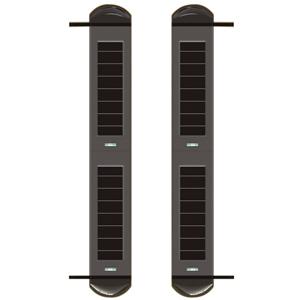
The infrared beam detector working principle is based on the straight-line transmission of an infrared beam between the transmitter and receiver. When an object crosses the beam's path, the signal is interrupted, triggering an alarm mechanism.
Selecting stable and adaptable equipment is fundamental to building a reliable security system. When evaluating the quality of infrared beam detectors, their core technical parameters and practical performance should be the primary focus. Detection distance is a primary consideration; different models support effective detection ranges from tens to hundreds of meters.
Appropriate selection based on the site environment is necessary to ensure coverage of the required protected area without blind spots. Anti-interference capability is equally important. High-quality equipment possesses good environmental adaptability, effectively identifying and filtering false alarms caused by small animals, floating objects, or inclement weather, thus improving the system's stability and reliability.
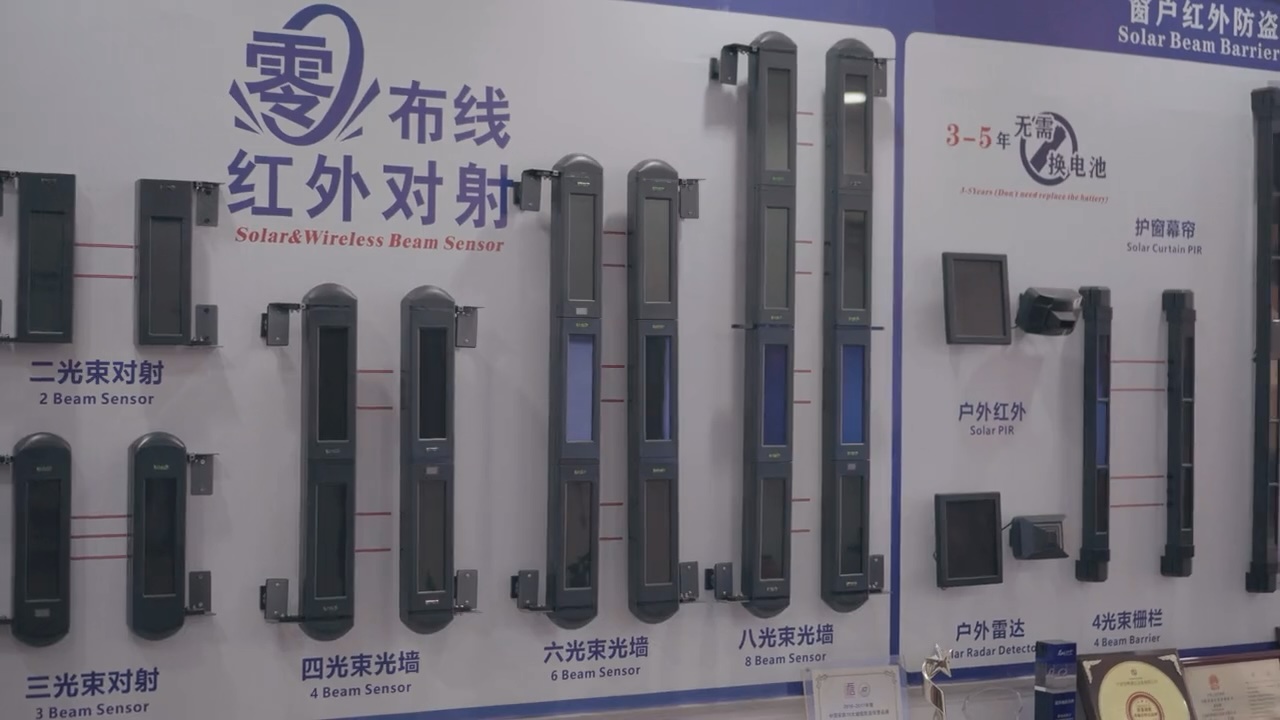
The design of the optical system directly affects detection accuracy and reliability. A multi-beam structure enhances protection density, preventing intruders from evading detection through low-profile or jumping maneuvers. Simultaneously, a precise optical axis adjustment mechanism facilitates rapid installation and calibration, improving construction efficiency. Regarding environmental adaptability, the equipment should possess a high protection level, capable of long-term stable operation under complex climatic conditions such as high temperature, low temperature, humidity, and sandstorms. The casing material must be corrosion-resistant and anti-aging to ensure durability for outdoor use.
Furthermore, intelligent functions are becoming increasingly important. For example, models with features such as obstruction self-checking, signal strength monitoring, and tamper alarms can improve system maintainability and security through feedback mechanisms.
The power supply method and signal output interface must also be compatible with existing security platforms, supporting DC low-voltage power supply and standard switch or communication protocol outputs for easy integration into monitoring centers or linkage with other security equipment.
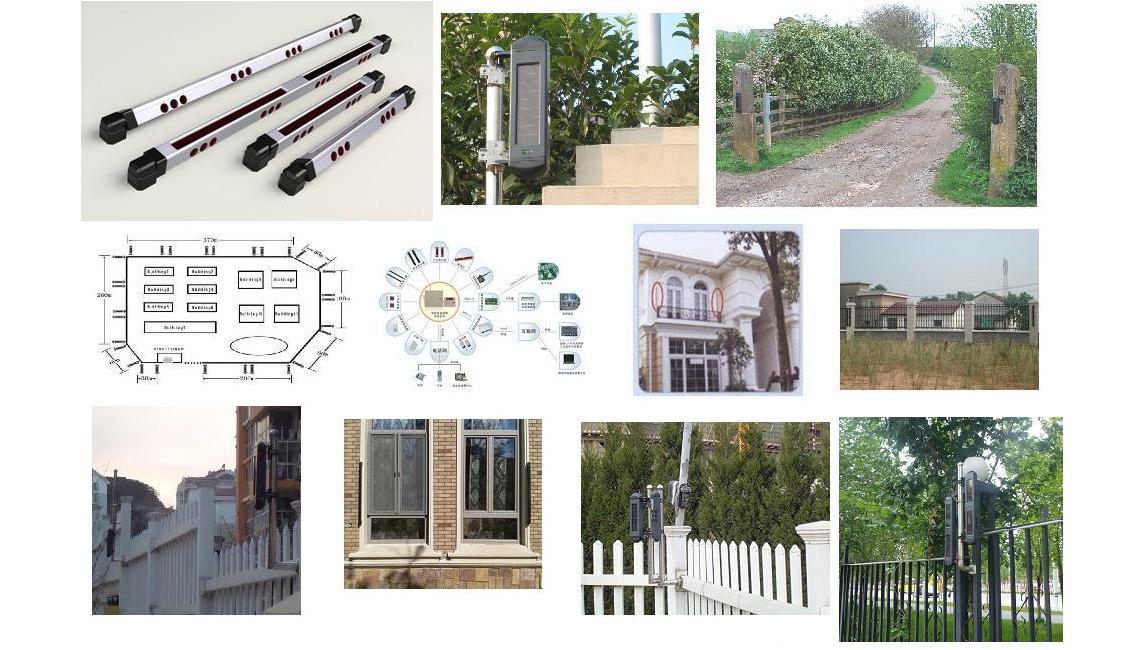
Flexible installation methods are required, supporting various fixing methods such as wall mounting and pole mounting, and equipped with anti-vandal brackets to address the risk of human-caused damage.
In summary, judging the quality of an infrared beam detector should not rely solely on brand reputation. Instead, a comprehensive evaluation should be conducted from multiple dimensions, including technical performance, environmental adaptability, installation and maintenance, and system compatibility. Only by making a scientific selection decision based on the specific application scenario requirements can the goal of efficient and reliable perimeter protection be truly achieved.